


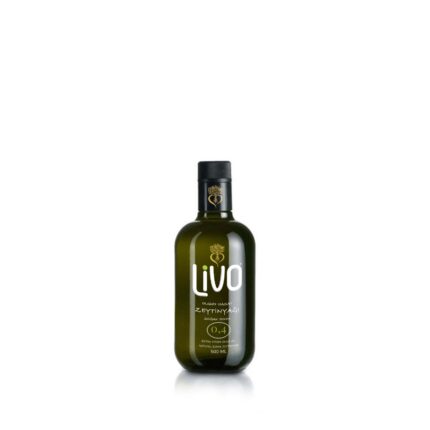
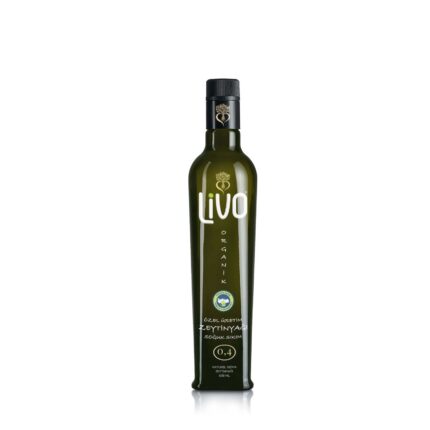
Stone pressed olive oil is a type of olive oil produced using traditional methods and stands out especially for its quality. This method is one of the oldest and most natural methods of olive oil production. Here are the stone pressed olive oil production stages, areas of use and other details:
Stone Pressed Olive Oil Production Stages
1. Collecting Olives:
– Olives are usually collected by hand or by shaking them off the branches. At this stage, care is taken not to crush or injure the olives.
2. Cleaning and Sorting:
– The collected olives are cleaned of leaves, branches and other foreign materials. This process increases the quality of the olive oil.
3. Grinding (Stone Press):
– The cleaned olives are ground in large stone mills. These mills are usually made of granite stone and crush the olives into a paste. During this process, the olive seeds are also crushed, but this does not negatively affect the quality of the oil.
4. Kneading (Malaxation):
– The ground olive paste is subjected to the kneading process. This process allows the oil droplets to come together. The kneading process is usually done at a controlled temperature, and this temperature preserves the aroma and nutritional value of the olive oil.
5. Pressing:
– The kneaded olive paste is subjected to the pressing process. In this process, the paste is compressed using hydraulic presses or traditional stone press systems. In this way, olive oil and water are separated from the paste.
6. Centrifugation and Separation:
– The mixture obtained as a result of pressing is subjected to a centrifugation process to separate oil, water and pulp. This process can also be done with modern methods, but in the traditional stone pressing method, a natural separation process is generally preferred.
7. Filtering and Resting:
– The olive oil obtained is filtered to remove sediment and rested for a while. This process ensures that the oil becomes clear.
8. Storage and Bottling:
– The rested olive oil is stored under appropriate conditions and then bottled and made ready for consumption.
Properties of Stone Pressed Olive Oil
– Natural and Traditional:* Stone pressed olive oil has a more natural production process, unlike modern and industrial methods.
– Aroma and Flavor:* Olive oil produced with this method has a more intense aroma and flavor profile.
– Nutritional Value:* The stone pressed method preserves the antioxidants and other nutritional values in olive oil.
Areas of Use
1. In Meals:
– Used in salads, appetizers, sauces and meals. Especially when consumed raw, its nutritional value is preserved.
2. Health and Cosmetics:
– Used in skin and hair care. Moisturizes and nourishes the skin thanks to its antioxidant properties.
3. Traditional Treatments:
– It is used in some traditional treatment methods. It is thought to have positive effects especially on the digestive system and heart health.
Storage Conditions
Light and Air: Olive oil can oxidize when exposed to light and air. Therefore, it should be stored in dark glass bottles and in a cool place.
Temperature: Olive oil should be protected from high temperatures. The ideal storage temperature is between 14-18°C.
Conclusion
Stone pressed olive oil is a natural and highly nutritious product produced using traditional methods. It has a wide range of uses in the kitchen, as well as in health and cosmetics. When stored under correct storage conditions, it preserves its flavor and nutritional value for a long time.










 English
Reviews
There are no reviews yet.